TheJakartaPost
Please Update your browser
Your browser is out of date, and may not be compatible with our website. A list of the most popular web browsers can be found below.
Just click on the icons to get to the download page.


Popular Reads
Top Results
No results found. Please check your search term and try again
Can't find what you're looking for?
View all search results
Popular Reads
Top Results
No results found. Please check your search term and try again
Can't find what you're looking for?
View all search resultsHow citizen scientists help saving biodiversity
Involving the public in wildlife sightings may become one of the keys in monitoring, and eventually safeguarding, Indonesia’s rich biodiversity.
Change text size
Gift Premium Articles
to Anyone
Share the best of The Jakarta Post with friends, family, or colleagues. As a subscriber, you can gift 3 to 5 articles each month that anyone can read—no subscription needed!
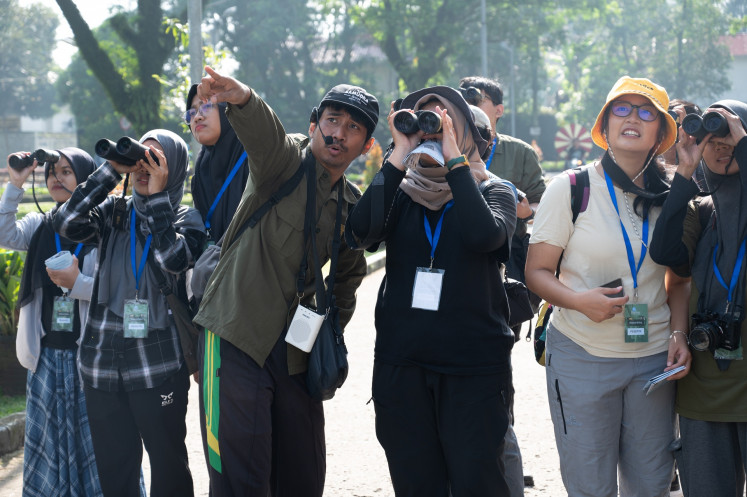
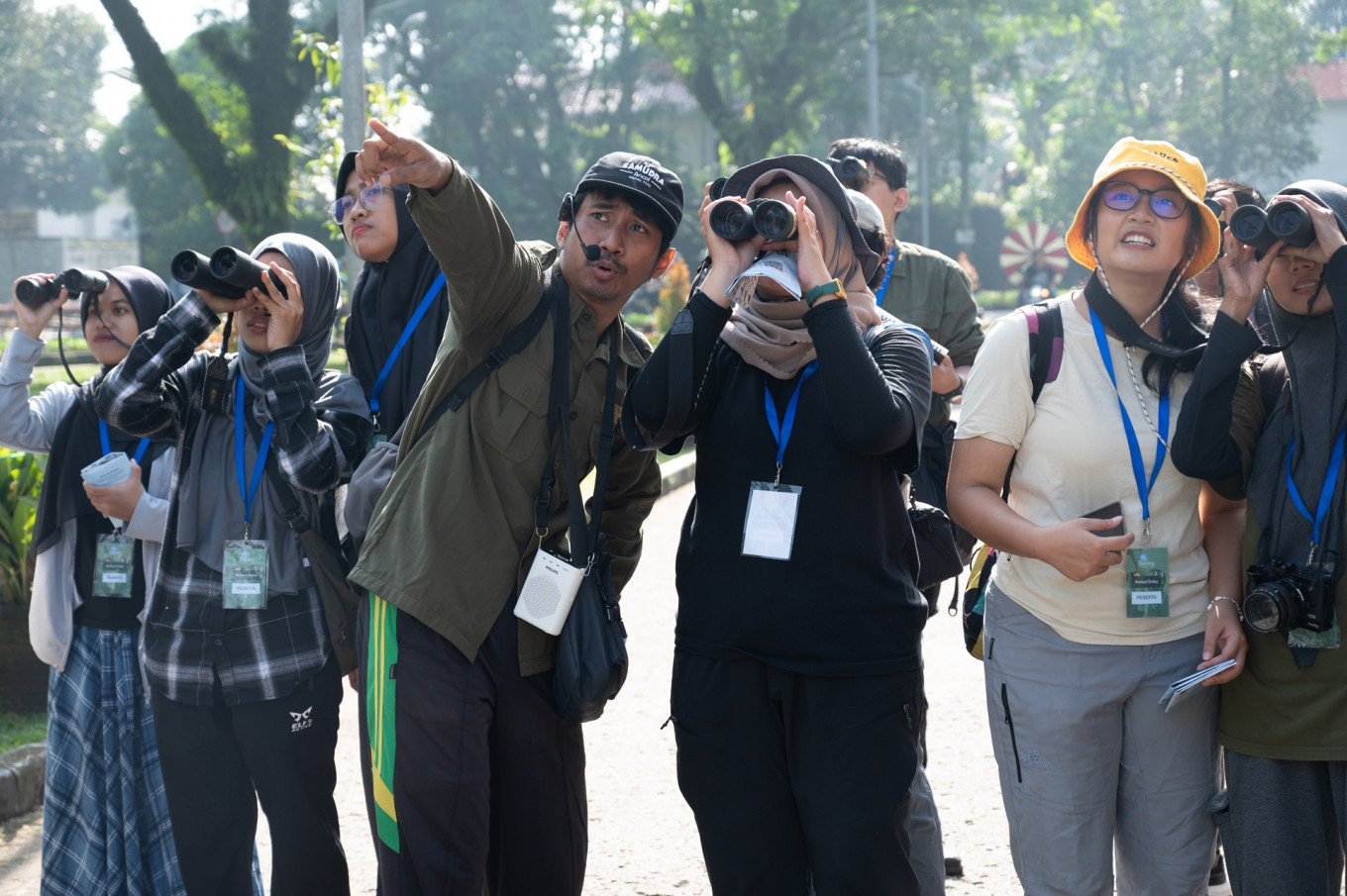 Peeking birds: A guide points while participants look for a bird during a birdwatching activity held by conservation group Burung Indonesia at the Bogor Agricultural University (IPB) in Bogor, West Java on Sept. 20, 2025. Weekend Birding is one of regular programs held by the group to engage the public to be involved in citizen science by observing and documenting various species of birds. (Courtesy of Burung Indonesia/-)
Every weekend, right after sunrise, Toni Espendi would walk from his home in Nanga Embaloh village, Kapuas Hulu regency, West Kalimantan to the nearby forest to look for birds.
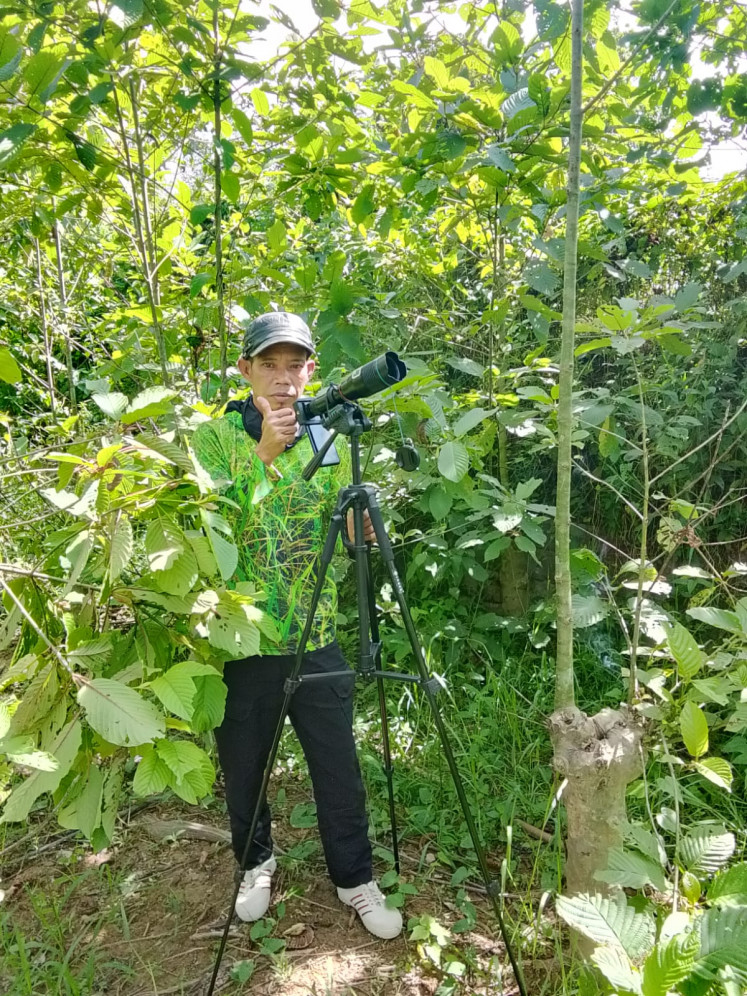
Once spotting one or more, he would aim and shoot the birds using a telephoto lens attached to his phone. Toni would later upload the photos into an app as part of a program called KehatiKu, an initiative from the scientific consultancy company Borneo Futures in which local residents can assist in wildlife monitoring.

“Now we know the types of birds that roam in our village,” Toni said. “Birds that we previously couldn’t name, now we’re able to identify them.”
Capturing bird photos has become a regular side gig for Toni and other villagers that not only generates income, but also contributes to biodiversity conservation through the practice of citizen science, where members of the general public are involved in collecting and analyzing data for scientific research.
The concept of involving non-scientists is not new, with the term first used in the late 1980s. But an analysis by OECD in 2025 found that there has been an increase in citizen science practices in the past decade across a wide range of research, albeit still dominantly seen in Western countries such as the United States, the United Kingdom and Germany.



More from The Weekender

Our second Instagram account is the real one
In an act of rebellion against overexposure and performative social media, Gen Z are turning to smaller, controlled spaces on social media where they can be their authentic selves.

What women want, and the gap men are still trying to close
While millennial and Gen Z women were raised to chase careers, the same generation of men were not taught to do chores or be vulnerable. How can men step up?

Idul Fitri without the excess: Finding the real meaning of Hari Raya
We're scaling back the festivities and finding more meaning this Idul Fitri.