TheJakartaPost
Please Update your browser
Your browser is out of date, and may not be compatible with our website. A list of the most popular web browsers can be found below.
Just click on the icons to get to the download page.


Popular Reads
Top Results
No results found. Please check your search term and try again
Can't find what you're looking for?
View all search results
Popular Reads
Top Results
No results found. Please check your search term and try again
Can't find what you're looking for?
View all search resultsOctora challenges the colonial gaze in 'Menamai | Naming'
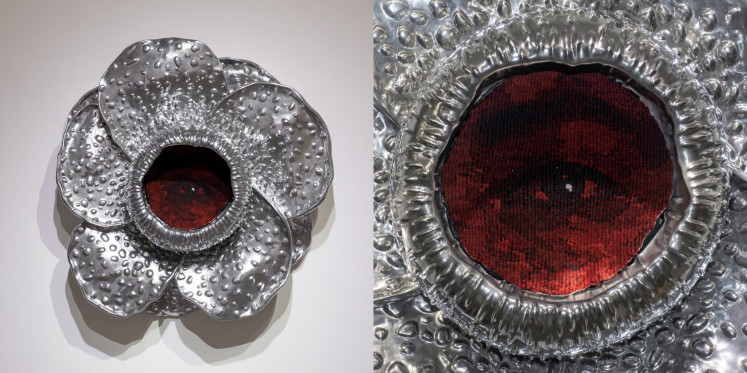
Through archival photographs, handwoven textiles and an aluminum Rafflesia, Octora questions who has the power to name, classify and define.
Change text size
Gift Premium Articles
to Anyone
Share the best of The Jakarta Post with friends, family, or colleagues. As a subscriber, you can gift 3 to 5 articles each month that anyone can read—no subscription needed!
 Set as preferred source
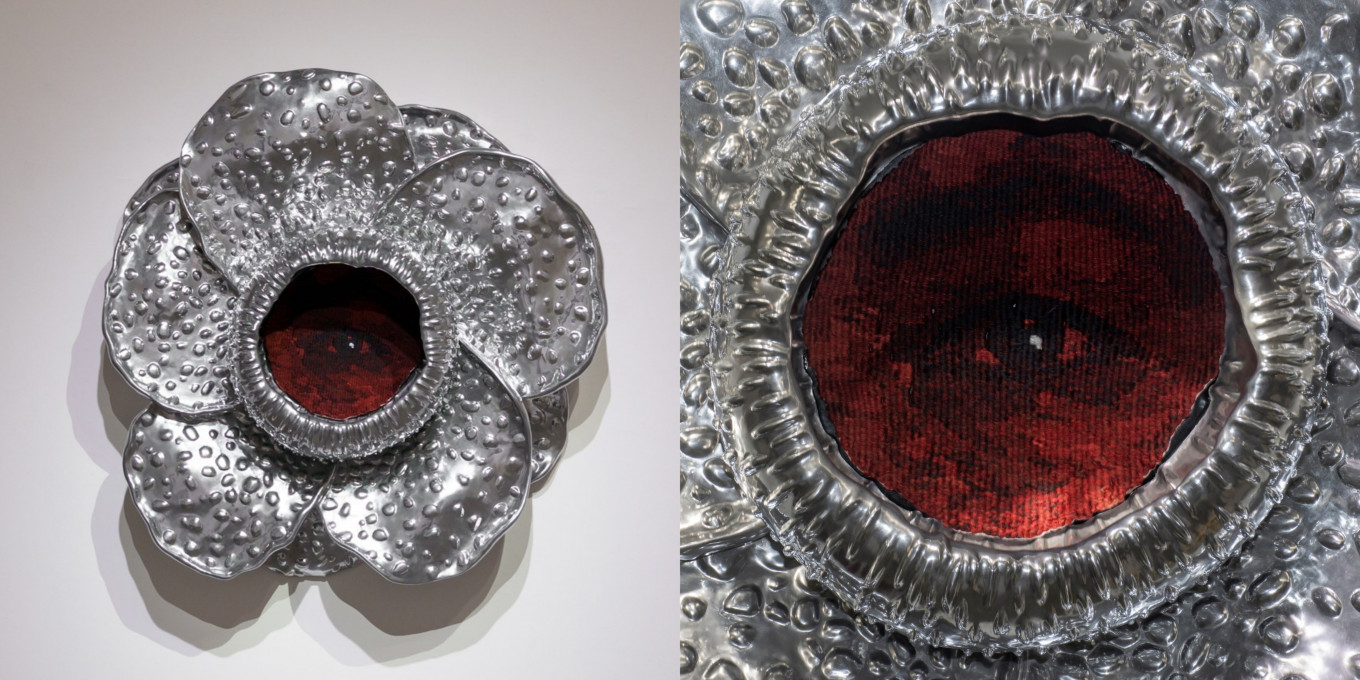 The flower that remembers: Octora’s 'The Flower That Remembers', created in 2025-2026, is made of merino wool and aluminum and measures 100 centimeters in diameter and 30 cm in height. (Courtesy of Gajah Gallery Jakarta/-)
T
he new solo exhibition Menamai | Naming by artist Octora at Gajah Gallery Jakarta reveals an enduring inquiry into power dynamics and the supposed neutrality of the ways we see, particularly in archival images and ethnographic records produced under the colonial hierarchy of the Dutch East Indies.
Often regarded as historical documents, these images and records were, in Octora’s view, constructed according to whoever held the camera, wrote the narrative or controlled the archive under colonial rule.
Her efforts to confront archival collections, including those held by Leiden University, are not new. In this exhibition, however, the materiality of her work takes on an added dimension through the use of merino wool, which she describes as intricate, slow and tactile. Its physicality embodies a sense of care, undoing the sterile objectification embedded in colonial archives and ethnographic photography.

While many of the works sharply critique the colonial gaze preserved in such images, Octora’s concerns extend beyond the archive. Her practice is driven by a broader sensitivity to injustice and the ways authenticity can be diminished when human lives are reduced to categories, data and objects of study.
Rectifying and disrupting the authority of the archive, Octora cuts apart images from different disciplines and reassembles them into entirely new compositions, using materials such as merino wool and cotton. The process itself becomes an act of reclamation.
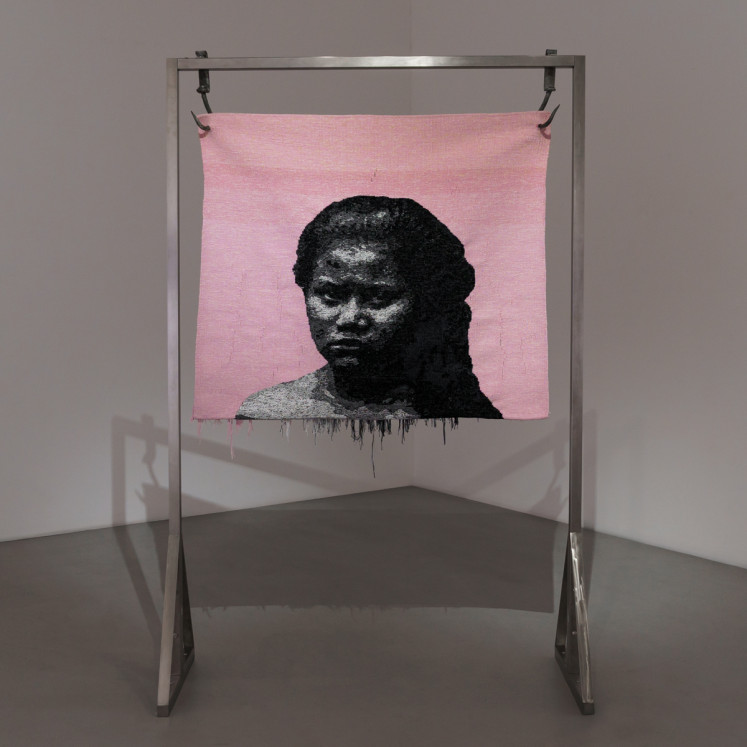
The flower looks back

More from The Weekender
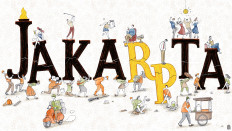
The price you pay for living in Jakarta
It doesn't really matter where you live, Jakarta is expensive everywhere. The only real choice is what you're willing to pay with: your money, your time or your sanity.

Success isn’t at the top of the corporate ladder anymore
My generation watched our parents give everything to a company. We decided to give it to ourselves instead. But it's more complicated than that.

Our second Instagram account is the real one
In an act of rebellion against overexposure and performative social media, Gen Z are turning to smaller, controlled spaces on social media where they can be their authentic selves.