TheJakartaPost
Please Update your browser
Your browser is out of date, and may not be compatible with our website. A list of the most popular web browsers can be found below.
Just click on the icons to get to the download page.


Popular Reads
Top Results
No results found. Please check your search term and try again
Can't find what you're looking for?
View all search results
Popular Reads
Top Results
No results found. Please check your search term and try again
Can't find what you're looking for?
View all search resultsSinking trust in tourism
As an archipelagic nation, Indonesia relies heavily on sea transport for visitors, yet enforcement of safety standards remains uneven.
Change text size
Gift Premium Articles
to Anyone
Share the best of The Jakarta Post with friends, family, or colleagues. As a subscriber, you can gift 3 to 5 articles each month that anyone can read—no subscription needed!
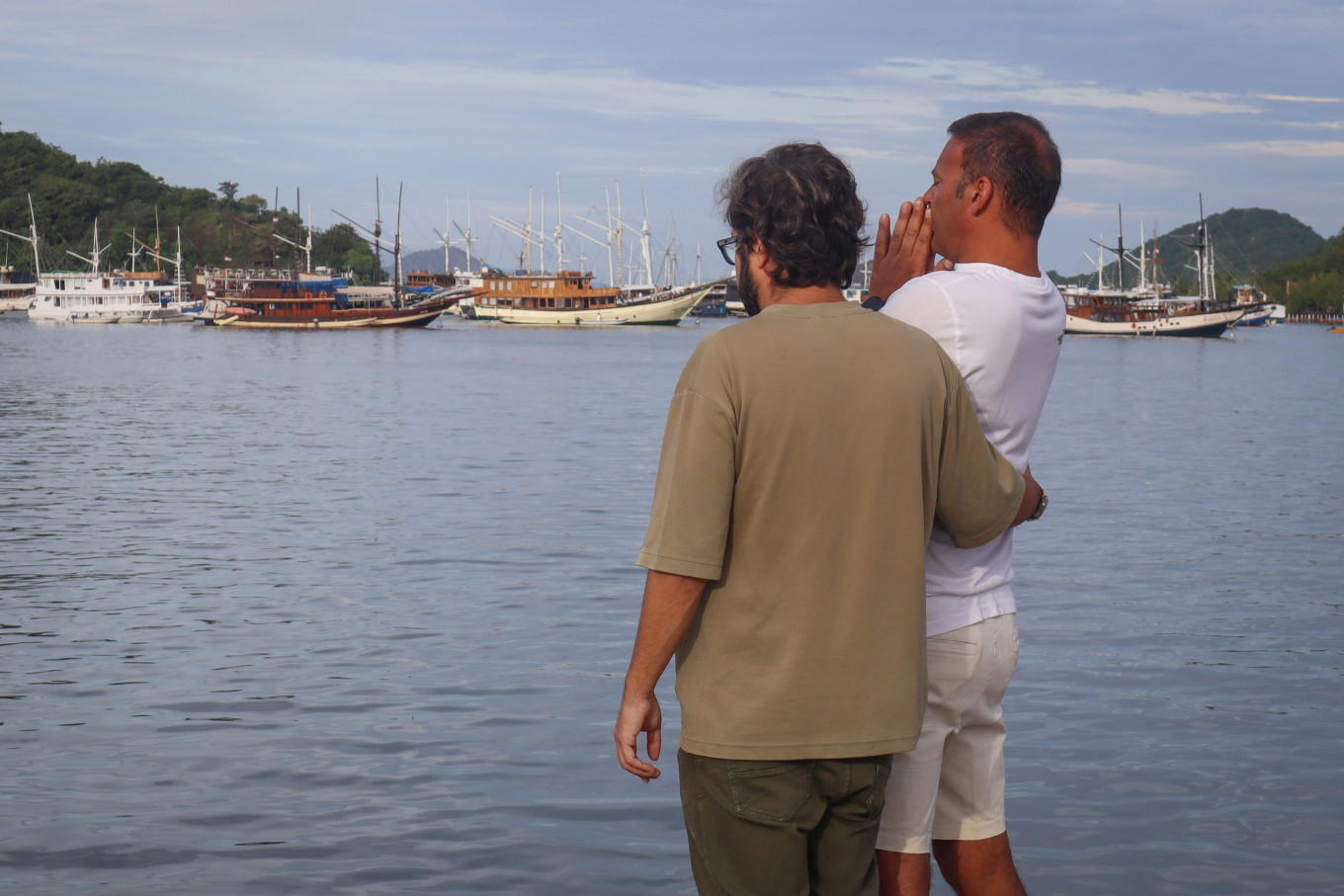 Two weeks on: Relatives of Spanish victims of the KM Putri Sakinah sinking pray on Jan. 8, 2026, at a dock in Labuan Bajo, West Manggarai, East Nusa Tenggara, on the 14th day of the search operation for the missing. After previously locating three Spanish nationals who had been reported missing, a joint search and rescue team extended the operation at the request of the Spanish Embassy. (Antara/Gecio Viana)
I
ndonesia's tourism fortunes rest on one fragile asset: trust. Visitors choose destinations not only for their beauty or affordability, but for the assurance that their safety is taken seriously. So when tourists return home recounting accidents, confusion and unanswered questions, that trust begins to erode.
The latest alarm comes from Labuan Bajo, East Nusa Tenggara, where a tragic boat accident turned a family holiday into an international incident with lasting reputational consequences. On Dec. 26, 2025, a pinisi (traditional schooner) sank in the waters off Komodo National Park while carrying Spanish nationals, including Fernando Martín Carreras, a soccer coach of Valencia CF's women's team, his wife and their children. Several passengers died, and the search operation stretched over days, drawing the attention of the Spanish government and international media.
The details were especially troubling. The boat reportedly experienced engine failure shortly after departure, before being overwhelmed by rough seas in the Padar Strait. Rescue teams faced difficult conditions, and while survivors were brought to safety, multiple fatalities followed. The case reverberated far beyond our borders, not only because of the loss of life, but because it struck a prominent community in the global sporting world. Incidents like this linger in public memory long after official statements fade.
This tragedy was not an outlier. Over the past year, Indonesia has seen a steady stream of fatal tourism-related accidents. Tourist boats have sunk, divers have died, hikers have fallen to their death and ferry disasters have claimed dozens of lives. Beaches with strong currents also continue to lack adequate warning systems or trained lifeguards. These events span regions and activities, pointing to weaknesses that are neither isolated nor new.
Maritime tourism is particularly exposed. As an archipelagic nation, Indonesia relies heavily on sea transport for visitors, yet enforcement of safety standards remains uneven. Industry observers have long warned of uncertified vessels, insufficient crew training and poor maintenance, especially in destinations where tourism has grown faster than regulation. When oversight fails, the consequences are immediate and irreversible.
The government's response to the Labuan Bajo disaster included coordination with foreign embassies and temporary operational adjustments. These steps were necessary, but they were not enough to reassure a global audience watching closely. In tourism, perception matters as much as policy. Destinations compete not only on attractions, but on confidence.

Here, comparison is unavoidable. Thailand, one of Indonesia's closest competitors for international visitors, has invested heavily in tourism safety infrastructure. Dedicated tourist police units, standardized maritime rules, visible enforcement and coordinated emergency responses have helped sustain confidence even during crises. As a result, Thailand consistently ranks among destinations assessed as low-risk by foreign governments and travel insurers. That assessment shapes traveler decisions long before tickets are booked.