TheJakartaPost
Please Update your browser
Your browser is out of date, and may not be compatible with our website. A list of the most popular web browsers can be found below.
Just click on the icons to get to the download page.


Popular Reads
Top Results
No results found. Please check your search term and try again
Can't find what you're looking for?
View all search results
Popular Reads
Top Results
No results found. Please check your search term and try again
Can't find what you're looking for?
View all search resultsThe global retreat from climate alarmism
This retreat is good for sensible policy, because the failed alarmist approach relied on a series of persistent misrepresentations.
Change text size
Gift Premium Articles
to Anyone
Share the best of The Jakarta Post with friends, family, or colleagues. As a subscriber, you can gift 3 to 5 articles each month that anyone can read—no subscription needed!
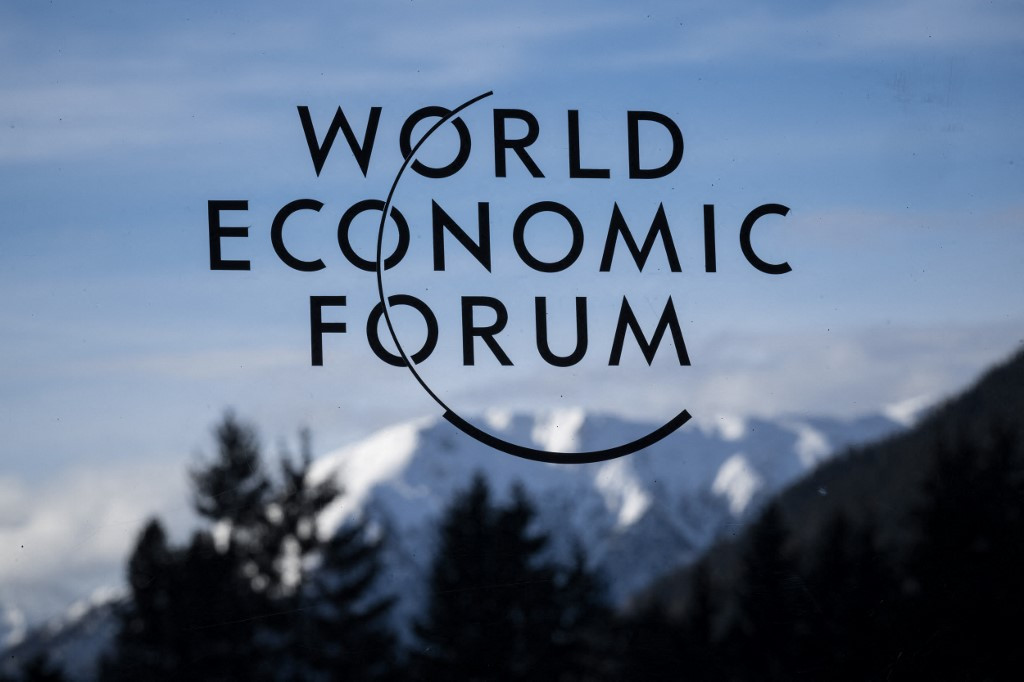 A sign of the World Economic Forum (WEF) with mountains in the background on Jan. 20, 2025, ahead of the WEF annual meeting in Davos, Switzerland.
(AFP/Fabrice Coffrini)
A sign of the World Economic Forum (WEF) with mountains in the background on Jan. 20, 2025, ahead of the WEF annual meeting in Davos, Switzerland.
(AFP/Fabrice Coffrini)
W
hat a difference a single year makes. The once-dominant push to radically reshape society to avert climate catastrophe has collapsed. Look at the World Economic Forum held in Davos, Switzerland, the talkfest long dominated by climate advocacy. That consensus has been abandoned by its once strongest proponents.
Emblematic of the shift: European Commission President Ursula von der Leyen did not mention the climate transition once in her 2026 talk at the World Economic Forum, after putting it front and center in preceding years.
But it is not just the Europeans. Canadian premier Mark Carney once called for “a global net-zero commitment” to solve climate change which he saw as “an existential threat”. Now, he admits that the “architecture of collective problem-solving” long supported by World Economic Forum elites, and including United Nations-organized climate change summits, has been “diminished”. At home, he’s pledging to make Canada into an “energy superpower”.
In the United States, even Democratic politicians have stopped leading with climate change as a central issue, shifting focus to affordability, low energy prices and immediate economic relief instead. Zohran Mamdani, the democratic socialist winner of the New York City mayoral election, campaigned on rising grocery bills and housing costs, and barely discussed climate change.
This global shift is not all down to the election of US President Donald Trump. Voters themselves have become sick and tired of constant climate alarmism, meaning many climate advocacy voices have had to dial back their rhetoric. Shouting about doomsday is failing to deliver political gains.
Other issues have become much more important, and people are reading and watching climate change news less across all Global North. The media itself has less to say: According to a Washington Post analysis, 2025 saw the fewest media mentions of climate change since March 2022.

Political strategists are even advising against talking about “climate change” altogether because “when leaders say the words ‘climate change,’ voters get bad vibes”.