TheJakartaPost
Please Update your browser
Your browser is out of date, and may not be compatible with our website. A list of the most popular web browsers can be found below.
Just click on the icons to get to the download page.


Popular Reads
Top Results
No results found. Please check your search term and try again
Can't find what you're looking for?
View all search results
Popular Reads
Top Results
No results found. Please check your search term and try again
Can't find what you're looking for?
View all search resultsBracing for ‘Godzilla’
As a "Godzilla-like" El Niño looms, Indonesia must move beyond complacency and apply the lessons of history to protect its food security and its future.
Change text size
Gift Premium Articles
to Anyone
Share the best of The Jakarta Post with friends, family, or colleagues. As a subscriber, you can gift 3 to 5 articles each month that anyone can read—no subscription needed!
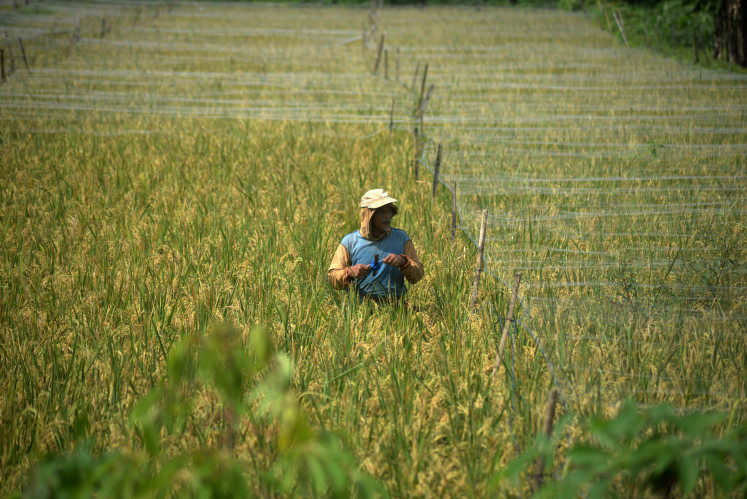
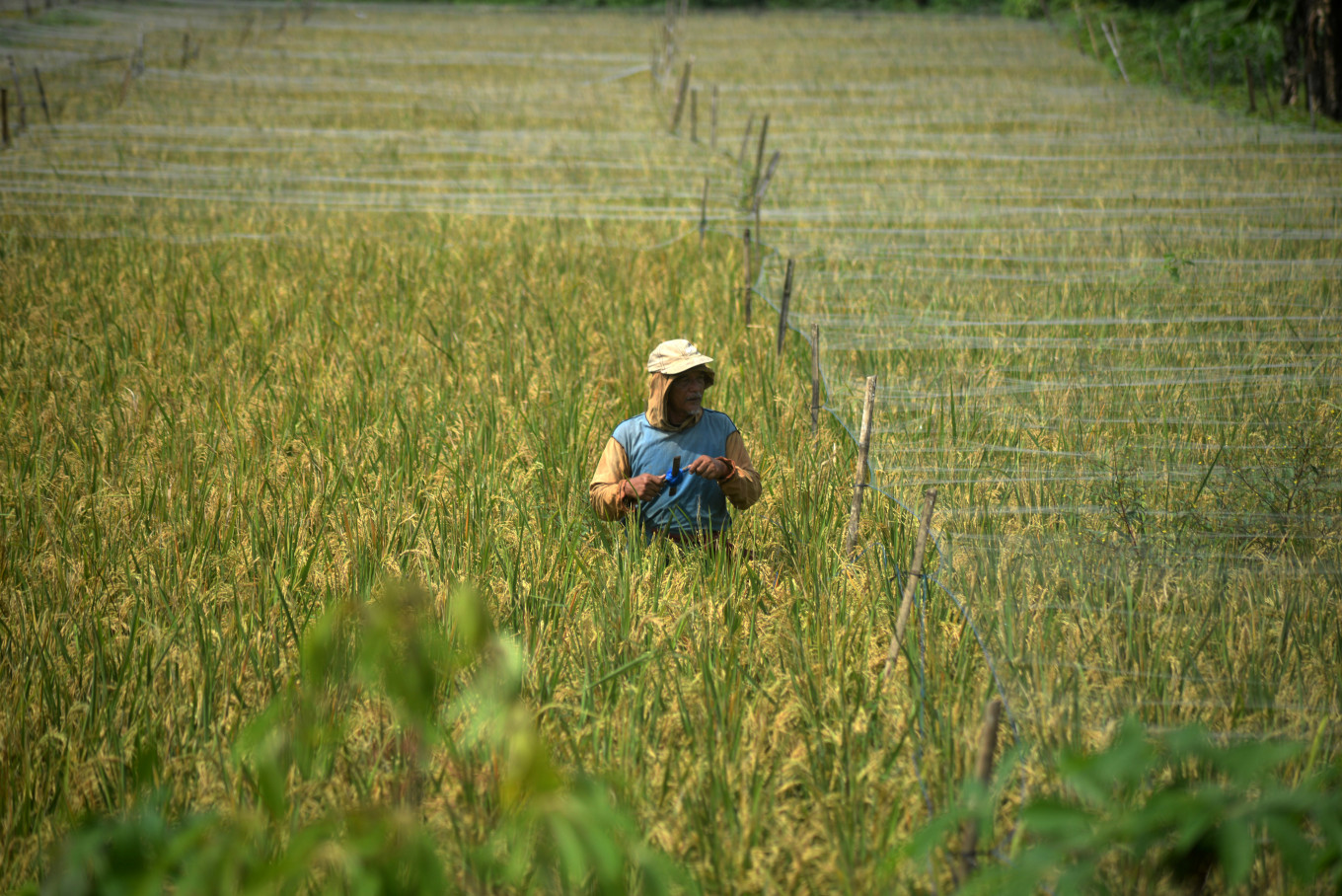 A farmer installs netting over a rice field on March 25, 2026, in Banyudono, Boyolali, Central Java. According to the farmer, installing the netting cost Rp 720,000 (US$42.68), to protect the rice crop from bird pests. (Antara/Aloysius Jarot Nugroho)
A
fter several years of relatively "wetter" dry seasons, Indonesia is now facing a hot spell that could be drier and longer than usual. The latest forecast from the Meteorology, Climatology and Geophysics Agency (BMKG) shows the archipelago has an 83 percent chance of experiencing a weak to moderate El Niño, expected to emerge midyear.
The National Research and Innovation Agency (BRIN) separately warned of a potentially strong El Niño between April and October that could reach “Godzilla-like” intensity, potentially prolonging this year’s dry season while also making it drier. While we are still in the transition from the rainy to the dry season, some regions are already battling the impacts of El Niño, which often triggers less rainfall across the archipelago.
As of March, 7 percent of the country’s seasonal zones had entered the dry season, with more expected between April and June. We hope the government will not be complacent in mitigating the upcoming hot season after at least three years of heavy rainfall. We should in fact be better prepared for El Niño, as historical records show the climatic anomaly tends to dent the country’s economy and food supply.
During the 1997-1998 El Niño, Indonesia’s rice harvest dropped by up to 6 percent compared to the previous year. Combined with the global and national economic crisis at the time, rising food prices put more pressure on the people, especially those in lower-income brackets.
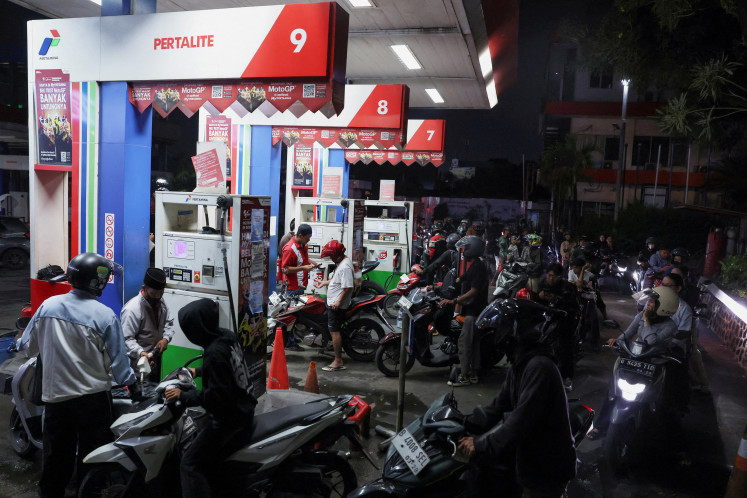
Unfortunately, we are in a similar position today. As geopolitical tensions in the Middle East continue to flare up, the conflict will impact Indonesia’s energy security and, at the domestic level, drive commodity prices up. Should the government fail to prepare for El Niño, it will only put more pressure on citizens who are already struggling to stay afloat.
Agriculture Minister Amran Sulaiman has repeatedly said that national rice stocks had reached a “historically high level” of 28 million tonnes in April, including standing crops that would be sufficient for the next 11 months. But ensuring rice availability is not enough. The government also needs to ensure that food can be affordably accessed by everyone in every part of the country.

Aside from rice, authorities also need to brace for forest and peatland fires, especially after 42,000 hectares burned through March, a teaser of what is to come in the months ahead as regions become hotter and drier. We surely do not want to repeat the catastrophe of the 2015 El Niño, one of the strongest in recent history, when drier air ignited massive wildfires on Sumatra and Kalimantan islands. Dozens of people died due to the direct and indirect impacts of those fires, while Indonesia made international headlines for sending haze to its neighbors.