TheJakartaPost
Please Update your browser
Your browser is out of date, and may not be compatible with our website. A list of the most popular web browsers can be found below.
Just click on the icons to get to the download page.


Popular Reads
Top Results
No results found. Please check your search term and try again
Can't find what you're looking for?
View all search results
Popular Reads
Top Results
No results found. Please check your search term and try again
Can't find what you're looking for?
View all search resultsThe Iran War is fueling a global debt shock
The energy shock triggered by the Iran war has further increased borrowing costs, particularly for energy-importing countries, and this trend may persist if current geopolitical tensions continue.
Change text size
Gift Premium Articles
to Anyone
Share the best of The Jakarta Post with friends, family, or colleagues. As a subscriber, you can gift 3 to 5 articles each month that anyone can read—no subscription needed!
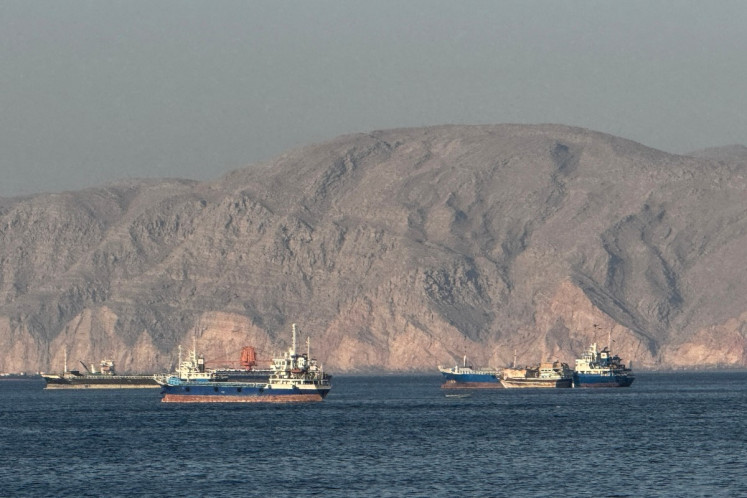
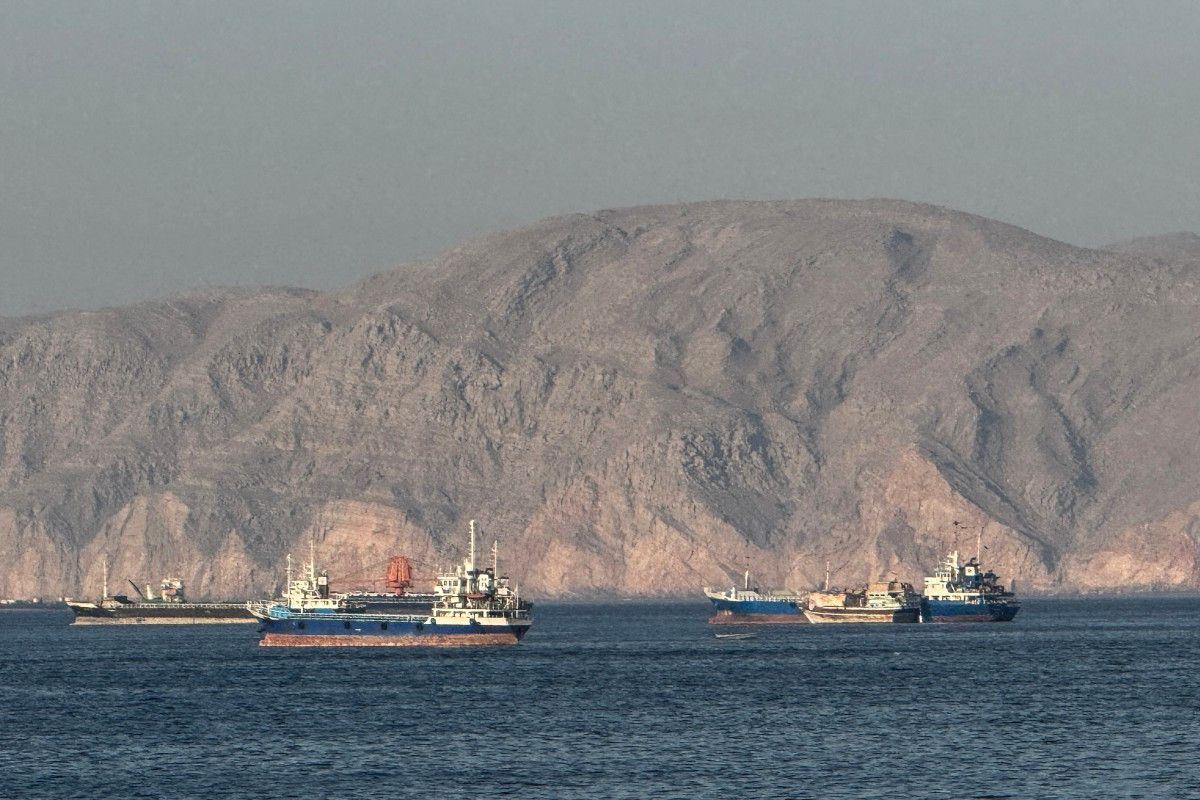 Vessels set anchor on May 17, 2026, in the Strait of Hormuz, seen off the port city of Khasab on Oman’s northern Musandam Peninsula. (AFP/-)
A
s everyone knows, the war in the Middle East has caused a sharp spike in oil, gas and food prices, creating severe economic hardship worldwide, and especially in developing countries. But less well understood is the war’s effect on government borrowing costs. Across the Global South, what began as a price shock has morphed into a debt shock.
The seeds of the current crisis were sown during the period of low interest rates in the 2010s, when low- and lower-middle-income countries borrowed heavily in dollars. Many invested these funds productively and reaped the rewards of stronger economic growth. But after the COVID-19 pandemic, global interest rates rose and the United States dollar strengthened, making borrowing significantly more expensive.
By 2023, developing countries’ combined external debt had reached US$11.4 trillion, representing 99 percent of their entire export earnings. Total interest payments were 26 percent higher than they had been just two years earlier, and an unprecedented 54 countries, nearly half of them in Africa, were committing at least 10 percent of their government budgets to interest payments. Last year, the United Nations Trade and Development (UNCTAD) calculated that 3.3 billion people were living in countries that spent more on debt payments than on basic services such as health or education, and the situation has only grown worse since then.
After COVID-19, many countries did shift toward local currency borrowing to mitigate exchange-rate risks. But now they face higher interest rates as a result. At the end of March, the International Monetary Fund identified nine countries as being in debt distress, with an additional 23 at high risk and 28 at “moderate” risk. That is no small matter. Debt distress means that you are unable to pay your creditors, because you are either already in default or being kept out of default only with IMF support.
The energy shock triggered by the Iran war has further increased borrowing costs, particularly for energy-importing countries, and this trend may persist if current geopolitical tensions continue. Making matters worse, there have been broader structural shifts in the global debt landscape, owing to the changing composition of creditors and upcoming repayment peaks for certain types of debt, notably bilateral lending. These trends have left countries with large near-term refinancing needs especially vulnerable.
What can be done? First, the IMF should go into full crisis-response mode. Reviving instruments such as the Food Shock Window and expanding access to emergency financing would help countries cope with the immediate pressures.

Second, multilateral development banks should scale up disbursements, as they did during the pandemic. They are currently sitting on significant retained earnings, and recent reforms to their capital-adequacy frameworks have given them more lending capacity.