TheJakartaPost
Please Update your browser
Your browser is out of date, and may not be compatible with our website. A list of the most popular web browsers can be found below.
Just click on the icons to get to the download page.


Popular Reads
Top Results
No results found. Please check your search term and try again
Can't find what you're looking for?
View all search results
Popular Reads
Top Results
No results found. Please check your search term and try again
Can't find what you're looking for?
View all search resultsRed and White Cooperatives and the road to social peace
To truly revitalize rural Indonesia, the government's ambitious 249-trillion-rupiah village cooperative program must move away from top-down bureaucracy and return to its democratic, community-owned roots.
Change text size
Gift Premium Articles
to Anyone
Share the best of The Jakarta Post with friends, family, or colleagues. As a subscriber, you can gift 3 to 5 articles each month that anyone can read—no subscription needed!
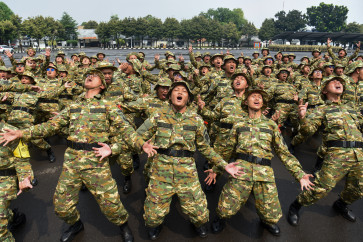
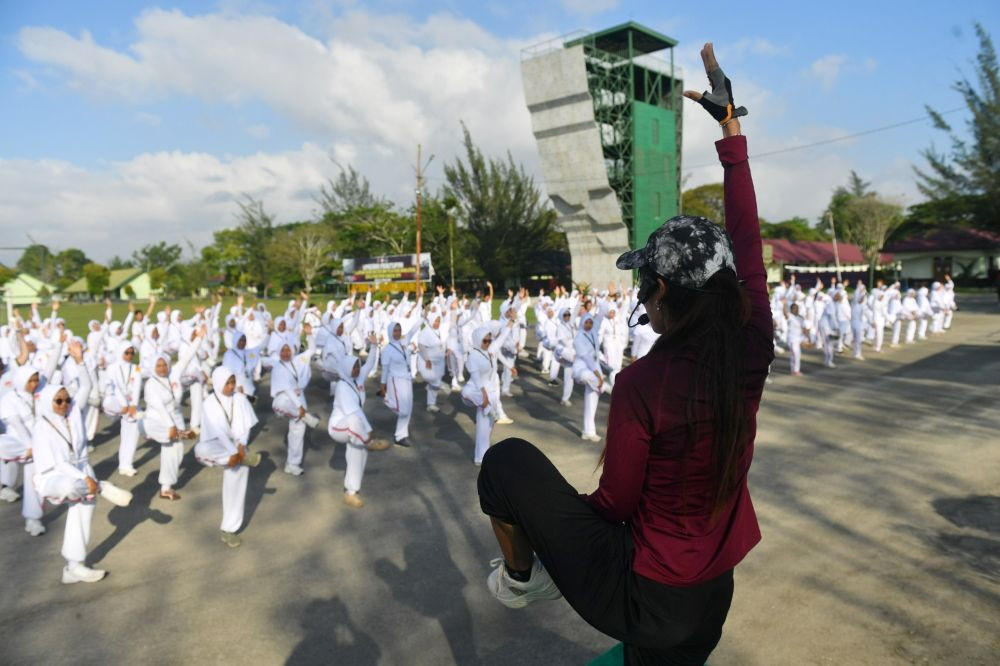 Essential fitness: An instructor leads manager candidates of the Red and White Cooperatives program in morning calisthenics on July 5, 2026 as part of their obligatory defense training program at the compound of the Mulawarman Military Command in Balikpapan, East Kalimantan. (Antara/Angga Palguna)
W
hat does a rural cooperative have to do with peace? At first glance, very little. Yet lasting peace depends not only on political stability but also on economic justice. Peace is built from the ground up, beginning in villages where citizens earn a living, resolve differences and cooperate for the common good.
Economically resilient and inclusive villages are structurally less vulnerable to conflict and social division. Communities are far less likely to fracture when their members feel economically included, treated fairly and capable of shaping their own financial futures.
This philosophy underpins the 2026 International Day of Cooperatives theme, "Cooperatives for a Peaceful World". The theme recognizes cooperatives not merely as commercial enterprises, but as people-centered institutions that foster mutual trust, democratic participation, social inclusion and shared prosperity.
This global theme is relevant for Indonesia. As the nation prepares to mark National Cooperatives Day tomorrow, it also marks nearly one year since President Prabowo Subianto launched the Red and White Cooperatives (KDMP) priority program during the last year's festivities.
As the government moves from policy inauguration to field implementation, the initiative merits rigorous, constructive evaluation—particularly following public concern over recent fatalities during the military-style training of prospective KDMP managers.
Grounded in Article 33 of the 1945 Constitution, the KDMP seeks to strengthen rural economies through the foundational principles of kekeluargaan (familial solidarity) and gotong royong (mutual cooperation). The government aims to establish or revitalize roughly 80,000 village cooperatives, transforming them into robust local economic hubs.

Persistent rural inequality makes social peace fragile. While Indonesian villages drive much of the nation's agricultural production, smallholder farmers, fishers and micro-entrepreneurs continue to face systemic barriers, including limited access to capital, unfair market pricing and inadequate storage infrastructure. Grassroots cooperatives can bridge these structural gaps by enabling communities to pool resources, enhance collective bargaining power and retain a larger share of the value they generate.