TheJakartaPost
Please Update your browser
Your browser is out of date, and may not be compatible with our website. A list of the most popular web browsers can be found below.
Just click on the icons to get to the download page.


Popular Reads
Top Results
No results found. Please check your search term and try again
Can't find what you're looking for?
View all search results
Popular Reads
Top Results
No results found. Please check your search term and try again
Can't find what you're looking for?
View all search resultsIndonesia's ultimate business ownership reform at a crossroads
Change text size
Gift Premium Articles
to Anyone
Share the best of The Jakarta Post with friends, family, or colleagues. As a subscriber, you can gift 3 to 5 articles each month that anyone can read—no subscription needed!
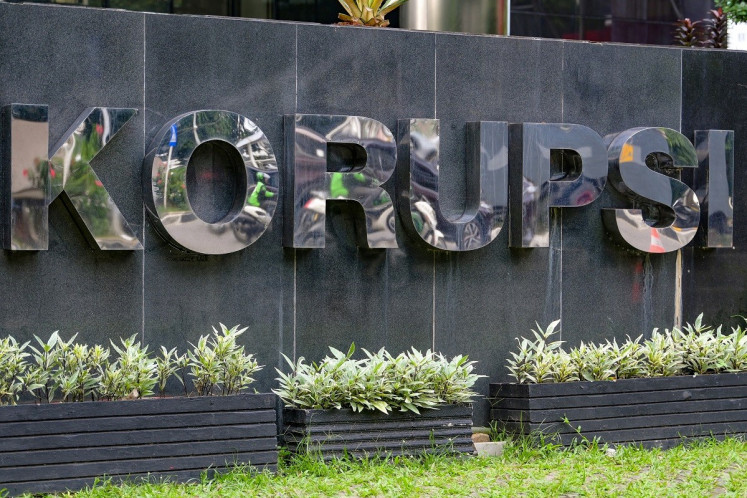
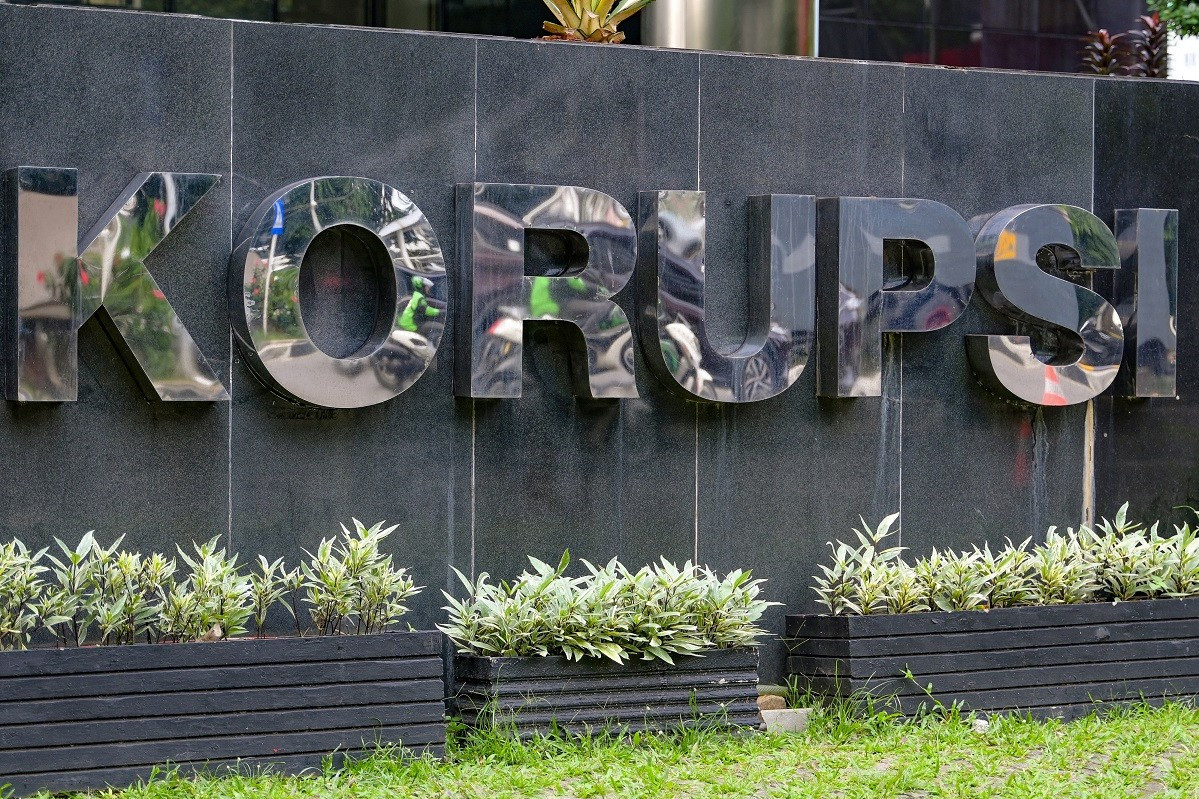 The reflection of motorists is seen in the Corruption Eradication Commission (KPK) building sign, in Jakarta, on June 27, 2023. (AFP/Bay Ismoyo)
T
here has been a recurring theme in recent corruption cases, where nominees and secretive corporate forms have obscured the real identity of owners and allowed for huge losses in state tax revenue.
The foundation for ultimate business ownership (UBO) reform is Presidential Regulation (Perpres) No. 13/2018 on the implementation of the principle of recognizing beneficial owners of corporations, in the framework for the prevention and eradication of money laundering and terrorism financing. Yet seven years after the regulation, almost 2 million companies still fail to comply.
What should have been a strong shield is merely a flimsy doorway, leaving the Corruption Eradication Commission (KPK) and the Financial Transaction Reports and Analysis Centre (PPATK) to clean up the preventable messes. Indonesia, despite its economic might, ranks poorly in transparency, not for lack of rules, but for lack of enforcement, while opaque corporations remain fortresses.
Under Perpres No. 13/2018, the beneficial owner was understood to be an individual who could appoint or remove members of a corporation’s management, had the capacity to control the corporation, was entitled to receive some direct or indirect benefits from it or was the real owner of the corporation's funds or shares. It marked a major advance for transparency.
A key flaw of the regulation is its dependence on self-declaration, which has led to widespread manipulation of beneficial ownership records by corporations. As the KPK has acknowledged, most of the names registered as beneficial owners are merely nominees having nothing to do with the corporations or their activities. It was a system that assumed honesty in a dishonest world.
Law Ministry Regulation No. 2/2025 marks a decisive break from Perpres No. 13/2018, trading self-declaration for cooperative verification. First, the verification protocol unfolds in two stages: an initial UBO review by notaries, followed by a ministry-led validation. The latter is reinforced through the UBO Gateway, an artificial intelligence-enabled network that interlinks tax offices, the PPATK and land offices. This interface constitutes a technological milestone, leveraging AI for seamless data harmonization.

However, so many corporations have yet to report, not because of a bureaucratic backlog, but because of their active resistance. As such, each unreported entity is a potential sinkhole for illicit funds, tax evasion and money laundering.