TheJakartaPost
Please Update your browser
Your browser is out of date, and may not be compatible with our website. A list of the most popular web browsers can be found below.
Just click on the icons to get to the download page.


Popular Reads
Top Results
No results found. Please check your search term and try again
Can't find what you're looking for?
View all search results
Popular Reads
Top Results
No results found. Please check your search term and try again
Can't find what you're looking for?
View all search resultsAI psychosis: Could it happen in Indonesia?
While the country already has a regulation on digital child protection, the rapid advent of artificial intelligence and its growing integration in children's lives requires a shared effort by all stakeholders to instill safe and responsible use, especially among vulnerable individuals.
Change text size
Gift Premium Articles
to Anyone
Share the best of The Jakarta Post with friends, family, or colleagues. As a subscriber, you can gift 3 to 5 articles each month that anyone can read—no subscription needed!
 Set as preferred source
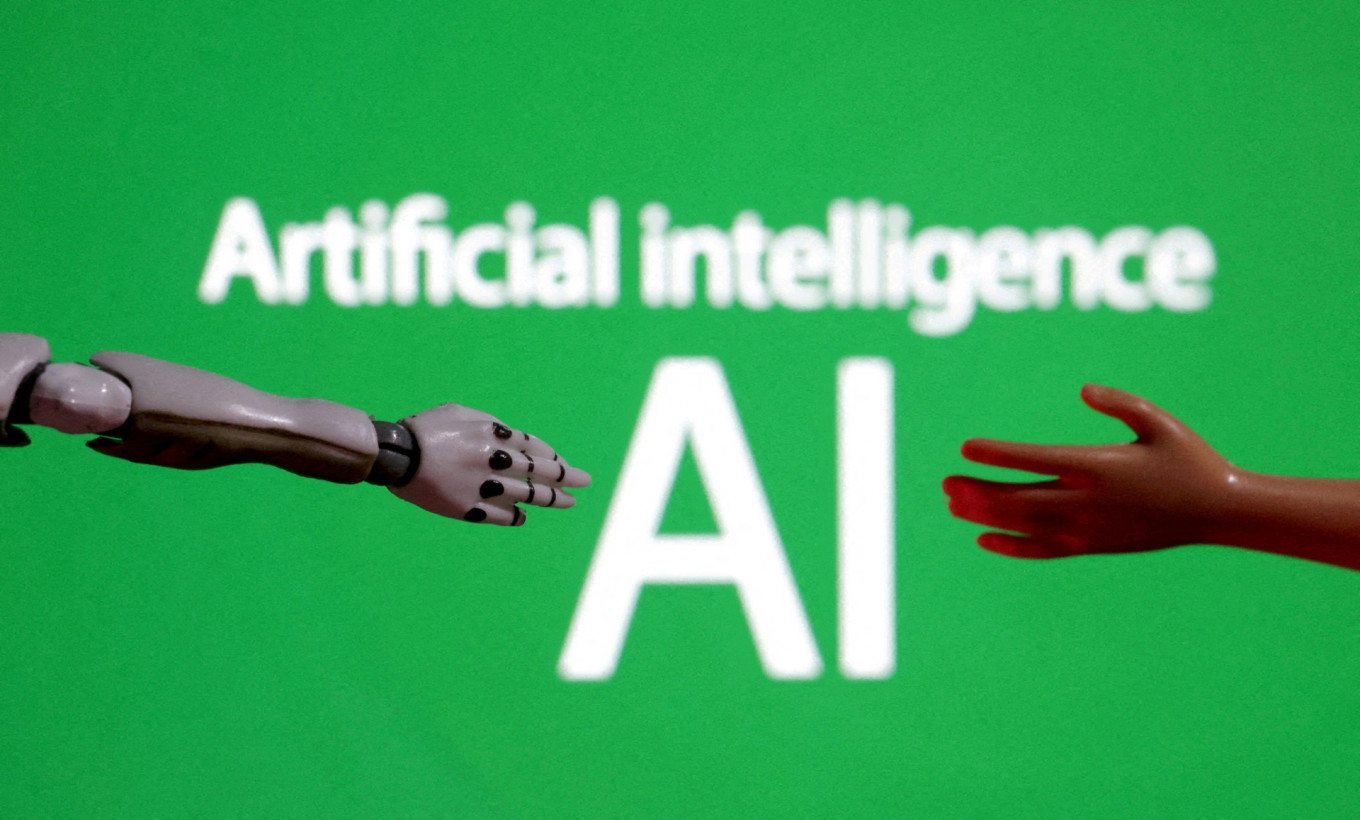 The hands of robot and human toys reach out to each other in front of a sign for artificial intelligence, in this illustration created on Dec. 14, 2023. (Reuters/Dado Ruvic)
E
arlier this year, a 17-year-old boy in Turkey receiving treatment for a psychiatric disorder was hospitalized after prolonged interactions with an AI chatbot appeared to reinforce his delusional beliefs. Although the case occurred outside of Indonesia and there is no definite evidence that artificial intelligence was the primary cause of his psychosis, clinicians raised an important concern: whether conversational AI may unintentionally validate or reinforce distorted thinking in people who are already psychologically vulnerable. Similar cases have begun to emerge internationally, prompting the same concern among clinicians.
As millions of Indonesian students increasingly rely on AI for not only schoolwork but also for companionship and emotional support, could similar cases emerge here as well?
Since the launch of ChatGPT, Character.AI, Replika and similar platforms, millions of adolescents have begun using AI not only to complete schoolwork but also to ask questions, solve problems and engage in increasingly personal conversations.
However, AI's ability to provide empathetic and personalized conversations may also become its greatest risk. Recent studies warn that some adolescents are becoming too emotionally attached to AI companions. Instead of developing real friendships with their peers, they may prefer interacting with AI because it never argues, criticizes or rejects them.
Some AI systems have been found to provide misleading advice or involve users in inappropriate conversations, including discussions involving violence or sexual content. AI also may blur the boundary between reality and fiction. Because chatbots are designed to be supportive and validating, some users may begin to perceive their AI companions as trusted friends rather than computer programs.
Recently, psychiatrist Alexandre Hudon from Universite de Montreal in Canada highlighted a phenomenon dubbed “AI psychosis”. Although it is not yet an official diagnosis, the term describes conditions in which prolonged and unhealthy interaction with artificial intelligence appears to reinforce delusional thinking, distorted beliefs or other characteristics resembling psychosis.

Because AI systems are designed to agree, encourage and maintain conversations, they may worsen symptoms in people who already have psychosis or are vulnerable to mental disorders.