The Jakarta Post
Please Update your browser
Your browser is out of date, and may not be compatible with our website. A list of the most popular web browsers can be found below.
Just click on the icons to get to the download page.


Popular Reads
Top Results
No results found. Please check your search term and try again
Can't find what you're looking for?
View all search results
Popular Reads
Top Results
No results found. Please check your search term and try again
Can't find what you're looking for?
View all search resultsAn ASEAN citizens’ assembly can break climate gridlock
From lingering forest fires to sluggish COPs, ASEAN’s best hope for an enduring climate legacy is to give everyday people a seat at the decision-making table.
Change text size
Gift Premium Articles
to Anyone
Share the best of The Jakarta Post with friends, family, or colleagues. As a subscriber, you can gift 3 to 5 articles each month that anyone can read—no subscription needed!
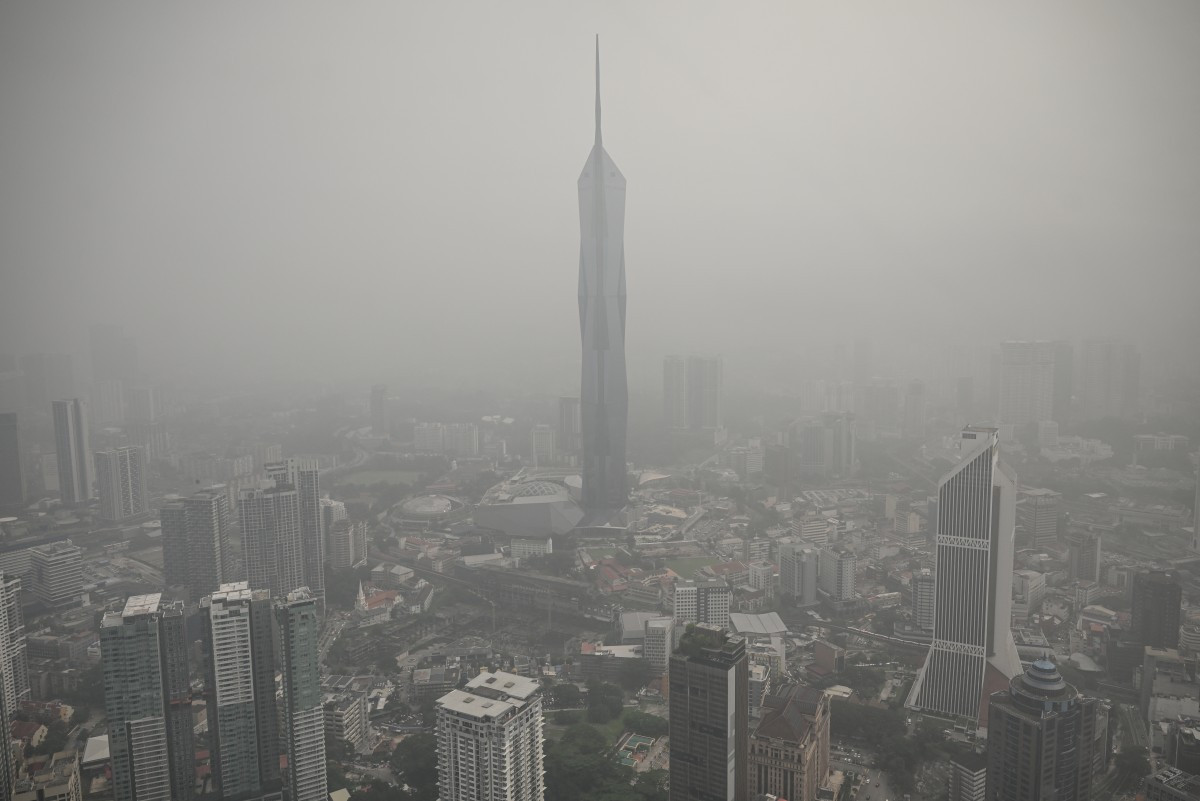 Buildings are shrouded in haze caused by fires in Indonesia, in Kuala Lumpur on Oct. 16, 2026. Toxic haze has covered parts of Indonesia, Malaysia and Singapore for weeks as Jakarta struggles to contain fires that have scorched large tracts of Kalimantan and Sumatra, with the smoke drifting across the region. (AFP/Jam Sta Rosa)
We are in trouble. We are facing multiple, overlapping crises all at once.
Among them, the state of our biodiversity and climate is especially alarming. As the planet warms, natural disasters, frequently supercharged by climate change, are devastating not just individual communities, but destabilizing national economies and broader social fabrics.
Simultaneously, we are failing to adequately protect and restore our fragile ecosystems. With state governments and multilateral legal frameworks struggling under the weight of these compounding crises, an empowered citizenry could prove decisive.
This calls for a fundamentally different approach to environmental action. In the lexicon of United Nations climate conferences, much is made of the "Global Climate Action Agenda". It is high time we championed a Global Citizens’ Deliberation Action Agenda.
Public attention is heavily concentrated on the upcoming Climate COP31 in Antalya, Turkey, this November. Yet even now, another critical summit is underway: the Biodiversity COP17 in Yerevan. These multilateral negotiations remain indispensable if humanity is to chart an equitable, inclusive transition to net zero. It is an open secret, however, that these processes are encumbered by diplomatic inertia, cumbersome, frustrating and agonizingly slow.
Can a parallel form of governance, grounded directly in the civic capacity to deliberate, offer a model with greater legitimacy and public ownership?

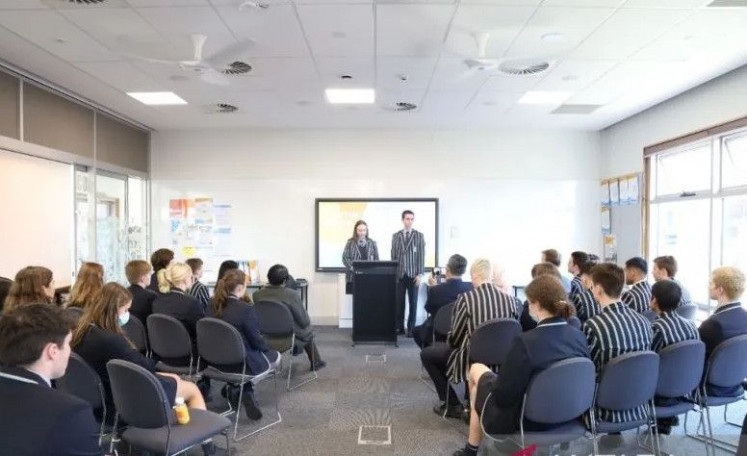
Around the world, citizens’ assemblies are emerging as a vital pillar of a renewed social contract, narrowing the chasm between the public and state authorities. We are witnessing an evolution from isolated civic experiments toward mechanisms integrated directly into domestic political frameworks, mainstreaming civic voices into an expanded governance space.