The Jakarta Post
Please Update your browser
Your browser is out of date, and may not be compatible with our website. A list of the most popular web browsers can be found below.
Just click on the icons to get to the download page.


Popular Reads
Top Results
No results found. Please check your search term and try again
Can't find what you're looking for?
View all search results
Popular Reads
Top Results
No results found. Please check your search term and try again
Can't find what you're looking for?
View all search resultsRethinking the AI-workforce equation in Indonesia
The real AI challenge isn’t surviving machine replacement, it’s redesigning work to unlock human potential, and Indonesia’s agile market is primed to lead the shift.
Change text size
Gift Premium Articles
to Anyone
Share the best of The Jakarta Post with friends, family, or colleagues. As a subscriber, you can gift 3 to 5 articles each month that anyone can read—no subscription needed!
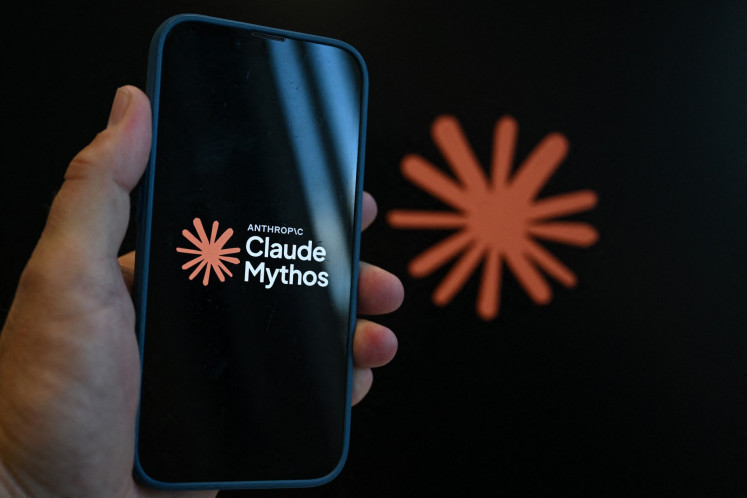
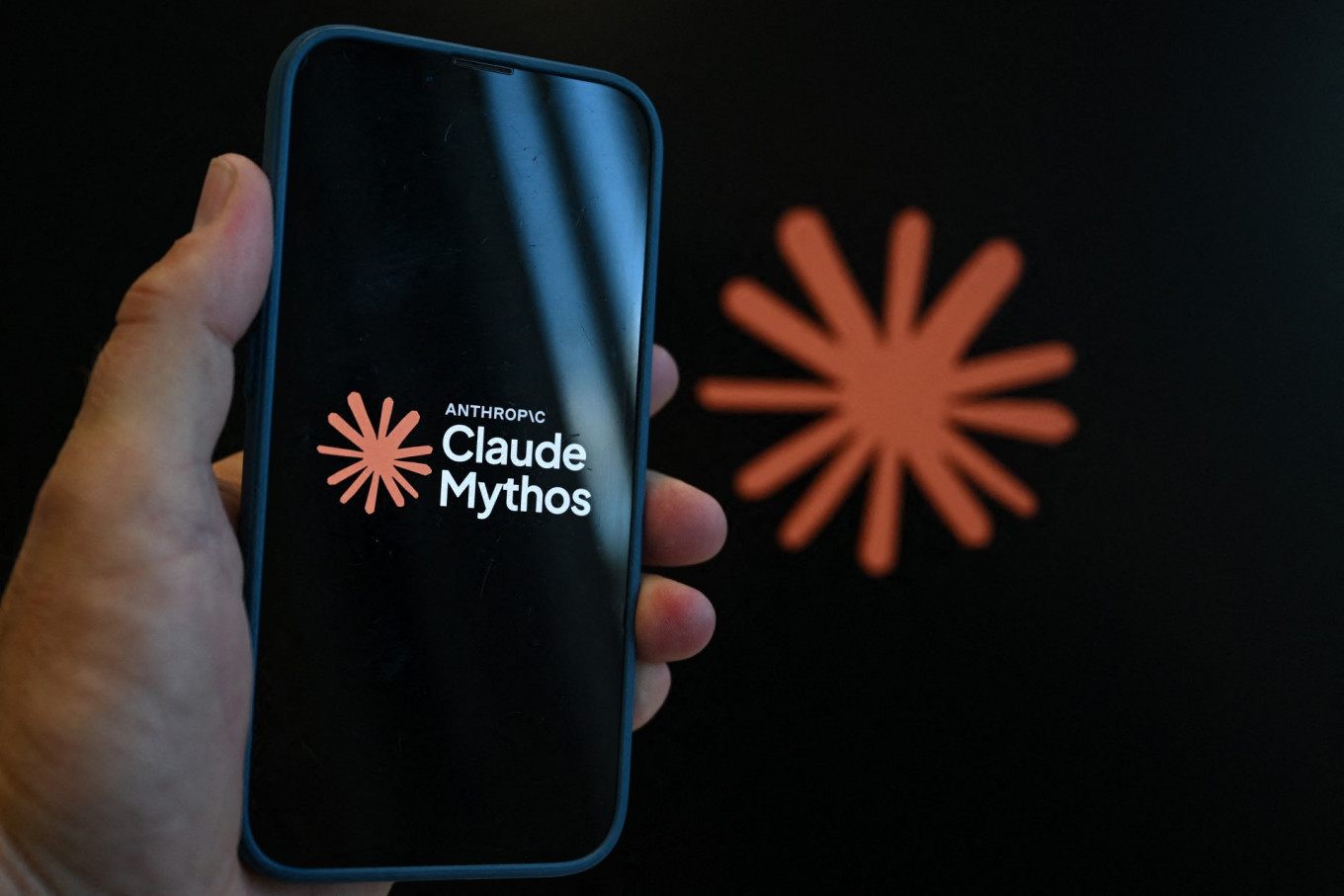 This photograph shows the logo of the AI assistant “Claude Mythos“ built by the United States artificial intelligence safety and research company Anthropic displayed on a smartphone's screen in Brussels on June 10, 2026. (AFP/Nicolas Tucat)
T
he rapid integration of artificial intelligence into the business landscape has raised a pervasive anxiety: will machines replace the human worker? This narrative has dominated boardrooms and policy discussions in recent years, but it misses a critical point.
A more relevant focus for business leaders and policymakers should not be about replacement, but rethinking work design altogether. AI can substantially boost productivity, often with larger gains for less experienced workers, but it can also replace some tasks and reduce demand for certain types of work.
Reimagining work design goes beyond splitting tasks between human and machine. It requires pinpointing where the greatest value is created, while enabling people to use AI as a catalyst for their own growth and development.
Viewing AI as either a human alternative or a “nice-to-have” misses the point. Research from NUS Business School highlights that as agentic AI handles complex service tasks, frontline workers can use platforms to shape these technologies directly. Rather than simply keeping a human in every loop, leaders must discern where human judgment creates value, delegating routine tasks to AI, augmenting complex ones, and preserving human expertise and accountability where it matters most (Wirtz, J., Stock-Homburg, R. (2025).
Transparent communication regarding these shifts is vital; employees need to understand how AI tools serve them, rather than perceiving them as a looming threat to their positions and livelihoods and fearing change altogether.
This calls for a new approach to workforce development. Rather than treating AI training as a standalone exercise, organizations should embed learning directly into day-to-day operations. By viewing AI deployment as an opportunity for continuous upskilling, companies can solve operational challenges while simultaneously building a more competent, future-ready workforce.

Indonesia is particularly well-positioned for this shift. The country has a high digital-savvy youth population and a robust ecosystem of micro, small, and medium enterprises (MSMEs), showcasing necessary agility to adapt to rapid digitalization.