TheJakartaPost
Please Update your browser
Your browser is out of date, and may not be compatible with our website. A list of the most popular web browsers can be found below.
Just click on the icons to get to the download page.


Popular Reads
Top Results
No results found. Please check your search term and try again
Can't find what you're looking for?
View all search results
Popular Reads
Top Results
No results found. Please check your search term and try again
Can't find what you're looking for?
View all search resultsTwo new Navy ships sail around Africa due to Iran war
The ships take a longer journey around the Cape of Good Hope in the southern tip of Africa following the outbreak of the war caused by unprovoked United States-Israeli attacks on Iran.
Change text size
Gift Premium Articles
to Anyone
Share the best of The Jakarta Post with friends, family, or colleagues. As a subscriber, you can gift 3 to 5 articles each month that anyone can read—no subscription needed!
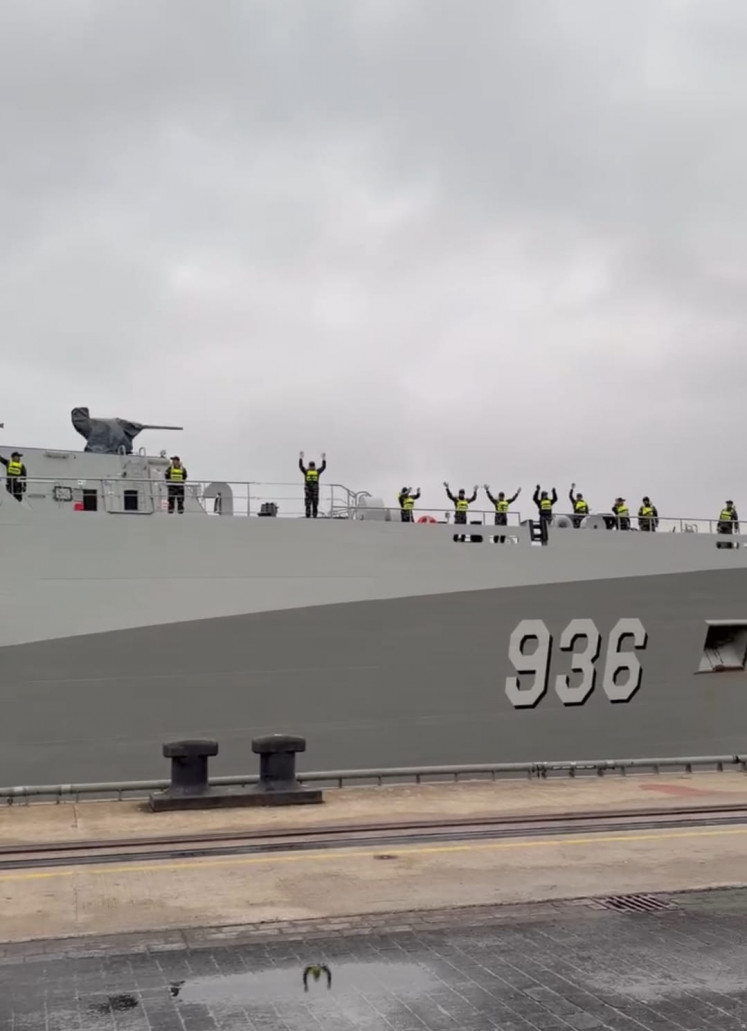
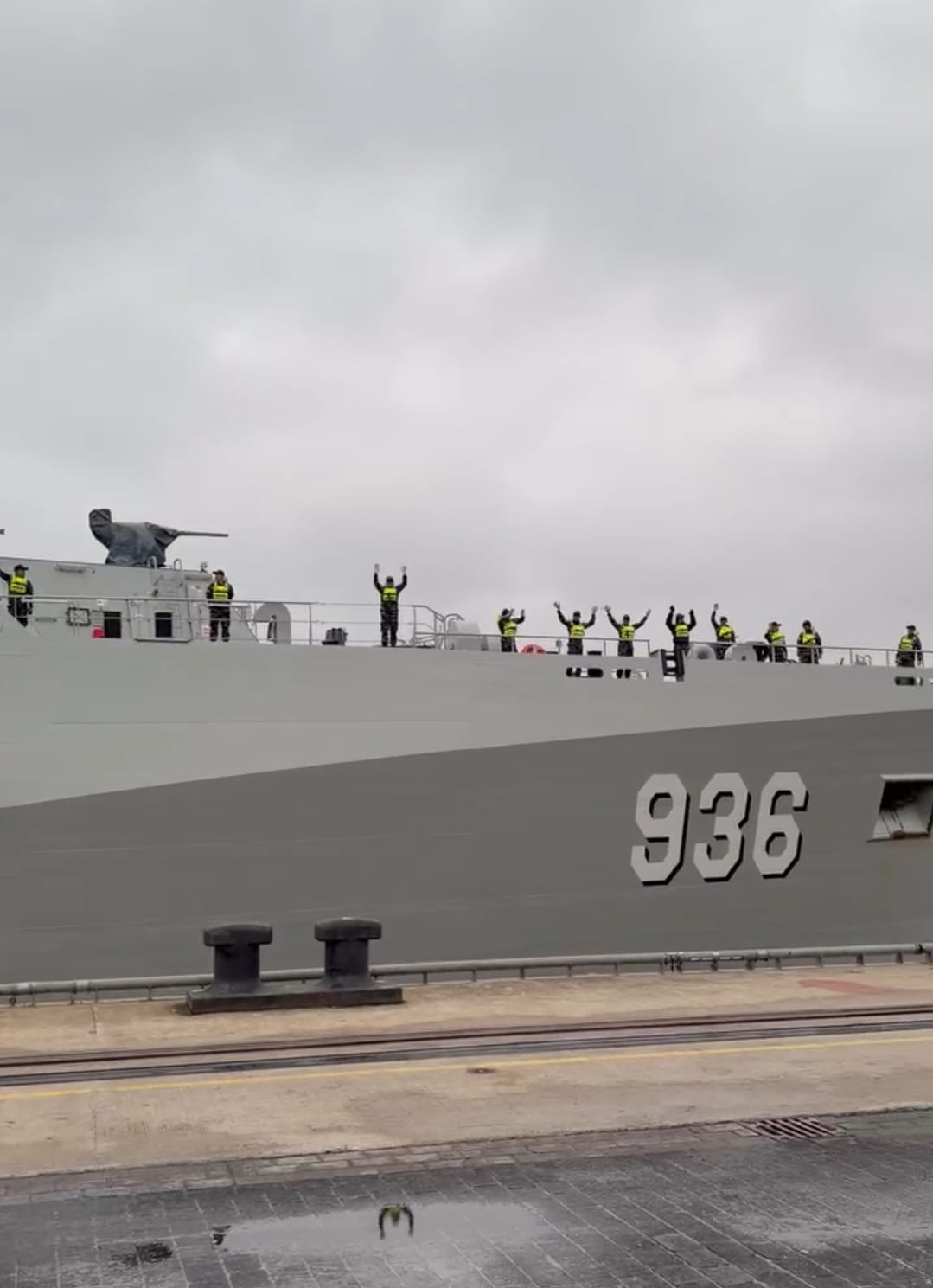 Crew of the Indonesian Navy's ship KRI Canopus wave on March 14 as they depart German shipyard Abeking & Rasmussen in Lemwerder, Bremen. The new oceano-hydrographic survey ship will take a longer route around the Cape of Good Hope on the southern tip of Africa following the outbreak of war caused by unprovoked attacks on Iran by the United States and Israel. (Courtesy of Indonesian Embassy in Berlin/-)
T
wo Indonesian Navy ships are transiting through the Cape of Good Hope, South Africa, instead of the shorter route through the Suez Canal and the Red Sea following the outbreak of the United States-Israel war on Iran.
Hydro-oceanographic survey vessel KRI Canopus is taking the longer route after it departed the German shipyard Abeking & Rasmussen in Lemwerder, Bremen, on Saturday, the Indonesian Embassy in Berlin said in a press release.
Canopus’s trip home includes stops in Las Palmas, Spain, Lagos, Nigeria, Cape Town, South Africa and Port Luis, Mauritius. The hydro-oceanographic survey vessel then will then enter Indonesia in Lampung before arriving at its home port in Jakarta.
The departure was an important milestone for the Indonesian Navy to strengthen national maritime research and mapping capabilities. The long-range journey is also a test for the hydro-oceanography vessel’s readiness in various conditions on open and international seas.
In addition to logistics replenishments and routine technical checks, the stops also allow the ship to perform defense diplomacy.
Canopus must take a longer journey around the Cape of Good Hope in the southern tip of Africa following rising tensions caused by unprovoked attacks by United States and Israel on Oct. 28, killing Iranian supreme leader Ayatollah Ali Khamenei.
Iranian retaliatory attacks are aimed at not only strategic positions in Israel but also at US interests in the region inside the neighboring countries harboring US troops.