The Jakarta Post
Please Update your browser
Your browser is out of date, and may not be compatible with our website. A list of the most popular web browsers can be found below.
Just click on the icons to get to the download page.


Popular Reads
Top Results
No results found. Please check your search term and try again
Can't find what you're looking for?
View all search results
Popular Reads
Top Results
No results found. Please check your search term and try again
Can't find what you're looking for?
View all search resultsRiver flows were among driest in decades in 2025, UN says
Change text size
Gift Premium Articles
to Anyone
Share the best of The Jakarta Post with friends, family, or colleagues. As a subscriber, you can gift 3 to 5 articles each month that anyone can read—no subscription needed!
 Set as preferred source
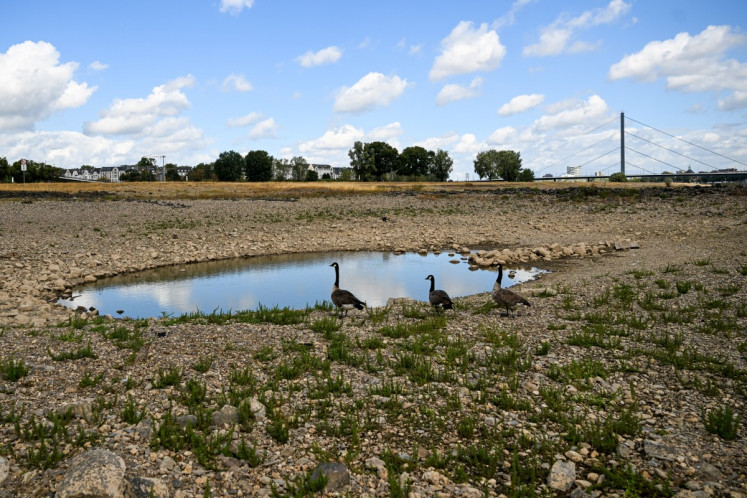
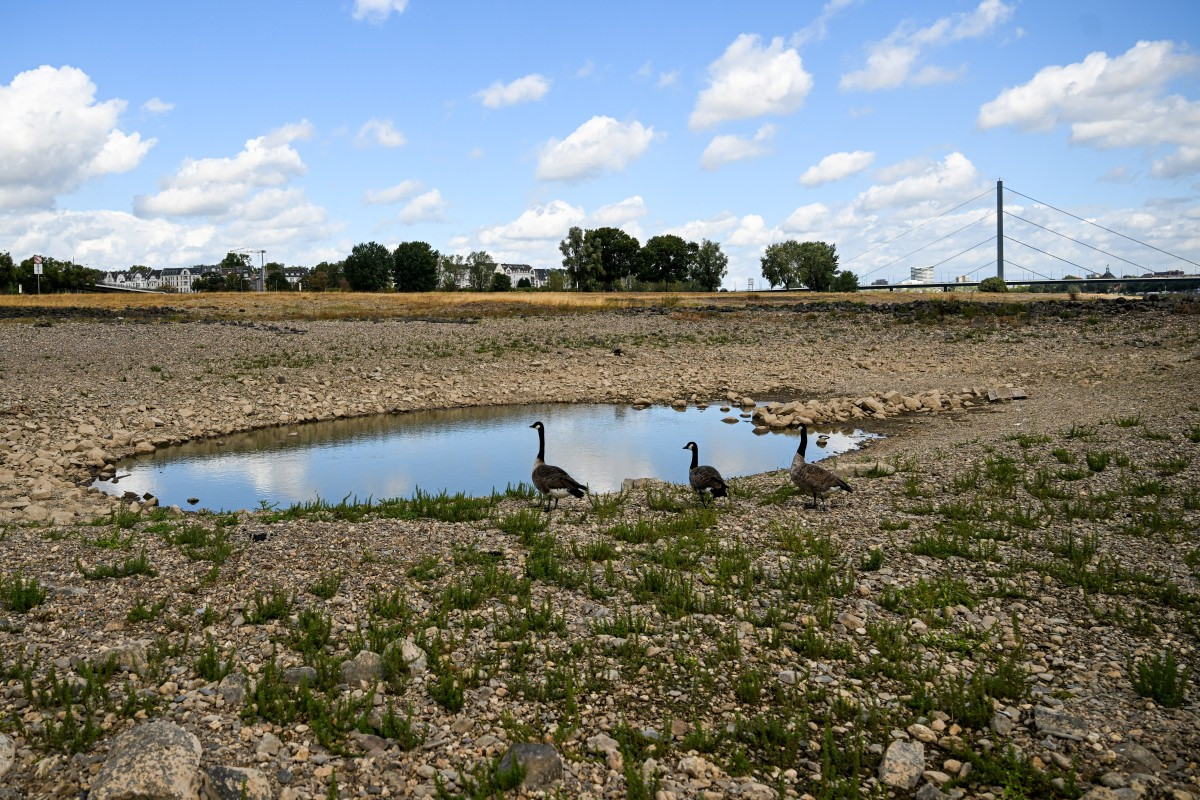 Geese stop at a water pool left on the partially dried-up river bed of the Rhine in Duesseldorf, western Germany, on August 20, 2026, following exceptionally hot weather. (AFP/Ina Fassbender)
R
ivers worldwide experienced one of their driest years in decades in 2025, the UN World Meteorological Organization said on Thursday, reflecting declining water storage across the Earth's surface and raising concerns about future supplies.
Terrestrial water storage in groundwater, lakes, vegetation, ice and snow has been in decline for a decade, according to the WMO State of Global Water Resources report.
The United Nations agency warned of the "serious future implications" of this trend since such stocks act as a buffer for the planet in exceptionally dry years, such as this year.
“We are depleting that savings account. Global terrestrial water storage has shown a declining trend since 2014-2016 – a persistent, decade-long signal," WMO Secretary-General Celeste Saulo said in a statement released with the report.
Below-normal flows were reported in over a third of the world's river basins, the WMO data showed, in one of the driest years for rivers globally in 35 years of data collection.
But some river basins, such as parts of South Asia, had too much water, reflecting more erratic and unpredictable water cycles, the report said.
Widespread glacier losses were also reported across all regions in 2025 for the fourth consecutive year, the report said, adding this would lead to long-term water insecurity.