TheJakartaPost
Please Update your browser
Your browser is out of date, and may not be compatible with our website. A list of the most popular web browsers can be found below.
Just click on the icons to get to the download page.


Popular Reads
Top Results
No results found. Please check your search term and try again
Can't find what you're looking for?
View all search results
Popular Reads
Top Results
No results found. Please check your search term and try again
Can't find what you're looking for?
View all search resultsGeopolitical tensions and the urgency of energy sovereignty
The rush toward EV and biofuel adoption risks shifting Indonesia’s ecological burden from coal chimneys to indigenous forests. True energy sovereignty lays not in massive corporate permits but in the resilient, community-led models already thriving in the heart of the archipelago.
Change text size
Gift Premium Articles
to Anyone
Share the best of The Jakarta Post with friends, family, or colleagues. As a subscriber, you can gift 3 to 5 articles each month that anyone can read—no subscription needed!
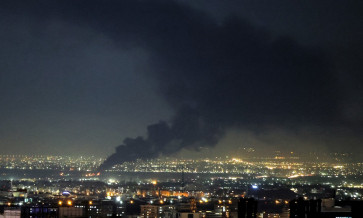
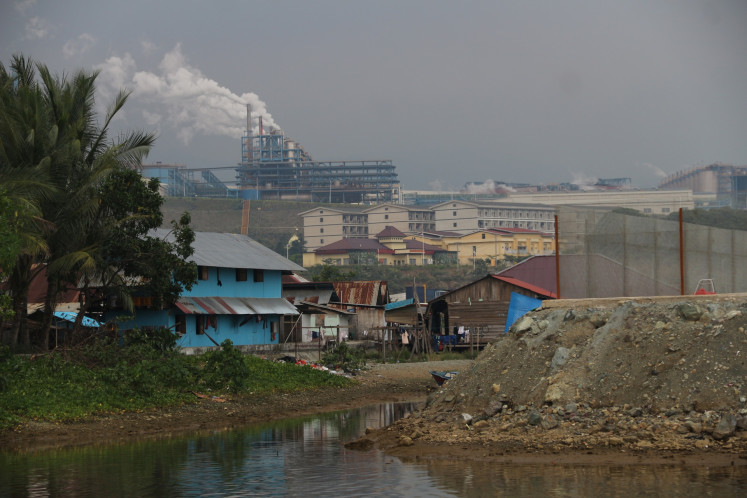
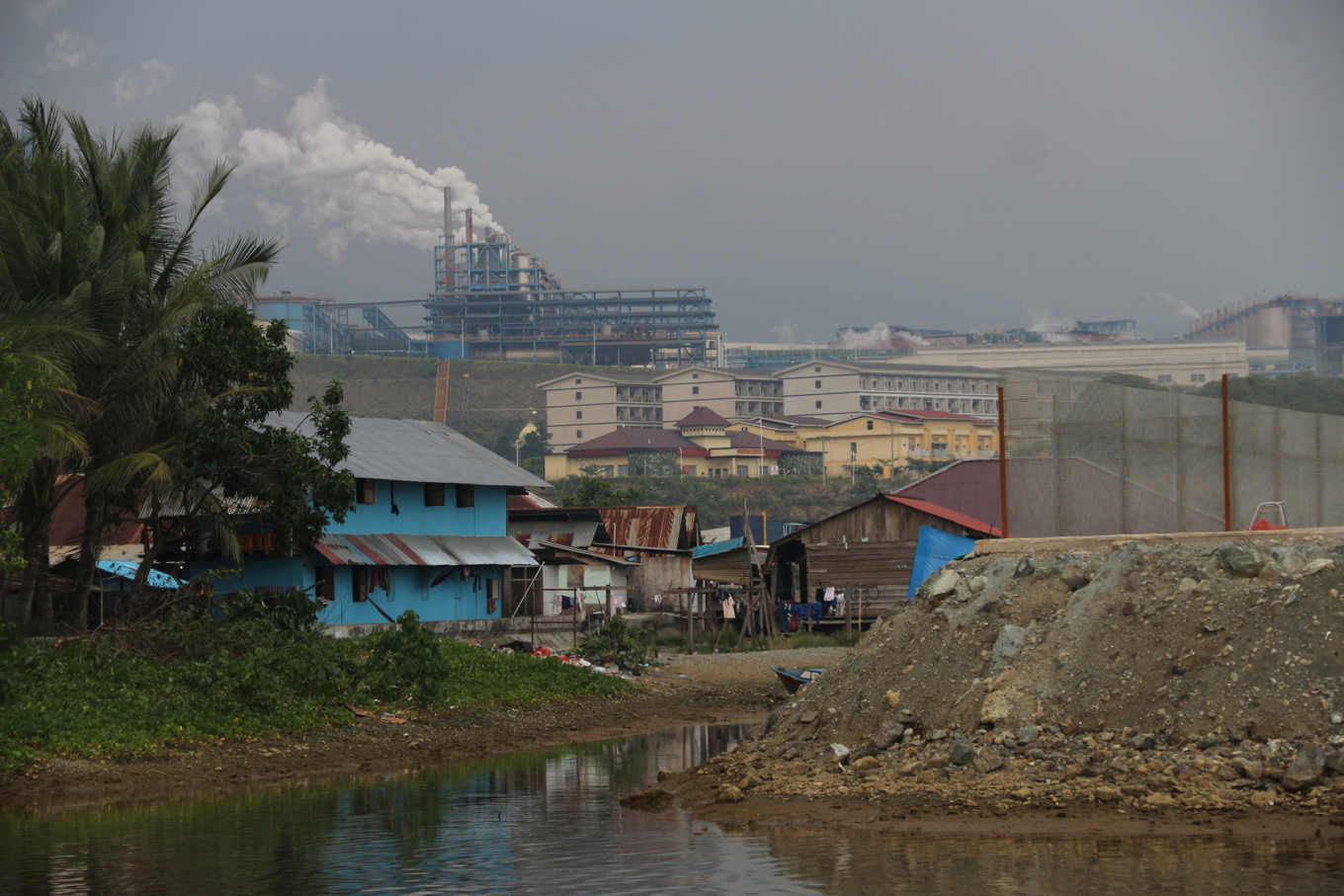 A white column of emissions rises from the nickel processing plant operated by PT Indonesia Weda Bay Industrial Park (IWIP) on Feb. 20, 2025, beyond the riverside village of Lelief in Central Weda district, Central Halmahera regency, North Maluku. (Courtesy of Rabul Sawal/-)
T
he global energy crisis, triggered by geopolitical dynamics ranging from tensions in the Middle East to the closure of the Strait of Hormuz, has fueled extreme volatility in energy prices.
For Indonesia, the impact is tangible and immediate: As a net oil importer, rising global prices directly burden the trade balance and the state budget through increased energy subsidies. With consumption reaching approximately 1.4-1.5 million barrels per day against domestic production of fewer than 700,000 barrels, dependence on global supplies remains a critical vulnerability.
This surge in energy prices is also driving up inflation, particularly through rising transportation and logistics costs that elevate food prices. Furthermore, the government’s recent announcement regarding imminent restrictions on fuel purchases underscores the fragility of the current system.
This crisis is not merely an economic or geopolitical issue; it is a reflection of a fundamental imbalance between the modern energy system and the environment’s carrying capacity. Ironically, in the midst of such crises, countries often revert to coal for short-term stability.
For Indonesia, the situation becomes even more precarious if the government uses the current crisis as a pretext to accelerate the development of land-intensive bioenergy, such as biodiesel, bioethanol and wood biomass, or to mandate a complete transition to electric vehicles while continuing to build geothermal plants in sensitive areas.
President Prabowo Subianto’s stated ambition to replace all fossil fuel vehicles with EVs and accelerate bioenergy programs risks exacerbating ecological damage and human rights violations. This policy direction appears to ignore the devastating impacts of the nickel industry boom already borne by local communities.

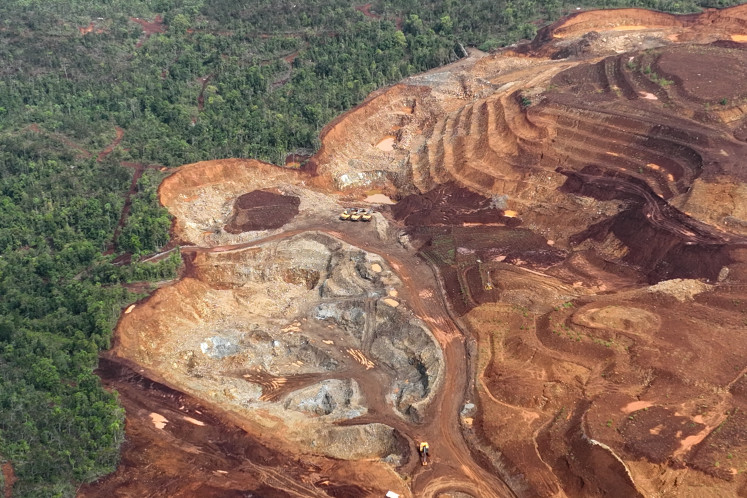
In Morowali regency, Central Sulawesi, the Indonesian Forum for the Environment (Walhi) has documented at least 65 licensed nickel mines covering 155,000 hectares that are in the production phase. In Lalampu village alone, 17 active permits exist. This intense activity causes upstream degradation and recurring floods.